Examining Synchronization Methods Between Physical Props and Digital Overlays in Real-Time Gaming Broadcasts
Written by Carlo Lange · Aug 26, 2026
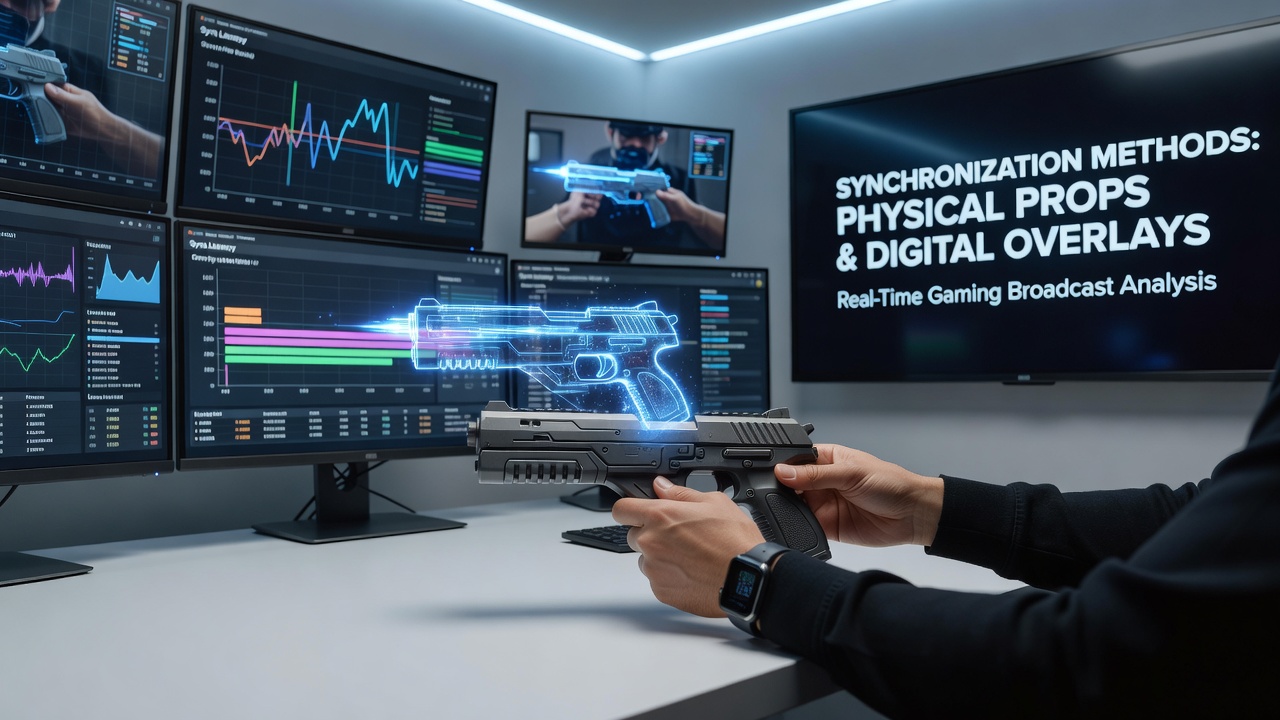
Examining Synchronization Methods Between Physical Props and Digital Overlays in Real-Time Gaming Broadcasts
Real-time gaming broadcasts rely on precise coordination between tangible objects and computer-generated elements that appear on screen, and synchronization methods address the timing gaps that arise when physical props move independently of digital layers. Observers note that broadcast teams integrate hardware sensors with software frameworks to maintain alignment across multiple video feeds and data streams, which reduces visual discrepancies during extended sessions.
Core Technical Requirements for Alignment
Physical props such as cards, dice, or tokens generate positional data through embedded markers or motion-capture systems, while digital overlays receive the same information via timestamped packets that update at rates exceeding 60 frames per second. Researchers at institutions focused on media engineering have documented that latency below 16 milliseconds prevents perceptible drift, and this threshold drives the selection of protocols like PTP over standard network timing. Data from industry reports indicate that systems incorporating both infrared tracking and ultrasonic positioning achieve higher consistency when props rotate or stack during gameplay sequences.
Hardware-Based Synchronization Approaches
Many production environments deploy dedicated trigger boxes that emit electrical pulses when a prop contacts a sensor surface, and these pulses route directly to rendering engines responsible for overlay placement. Technicians calibrate the offset between pulse detection and graphic rendering through iterative testing cycles, which accounts for processing delays in cameras and switchers. One documented workflow at European broadcast facilities pairs linear timecode embedded in video signals with prop-mounted accelerometers, allowing operators to verify frame-accurate registration even when lighting conditions fluctuate rapidly.
Software and AI-Driven Techniques
Modern pipelines supplement hardware triggers with computer-vision algorithms that analyze live footage to detect prop boundaries and predict their trajectories several frames ahead. Studies published in academic journals on augmented reality broadcasting show that convolutional neural networks trained on thousands of gaming-specific movements reduce alignment errors by approximately 40 percent compared with purely marker-based methods. In August 2026, updates to open-source tracking libraries incorporated new modules for handling reflective surfaces common in casino-style setups, and these changes enabled smoother transitions when props moved between camera zones.
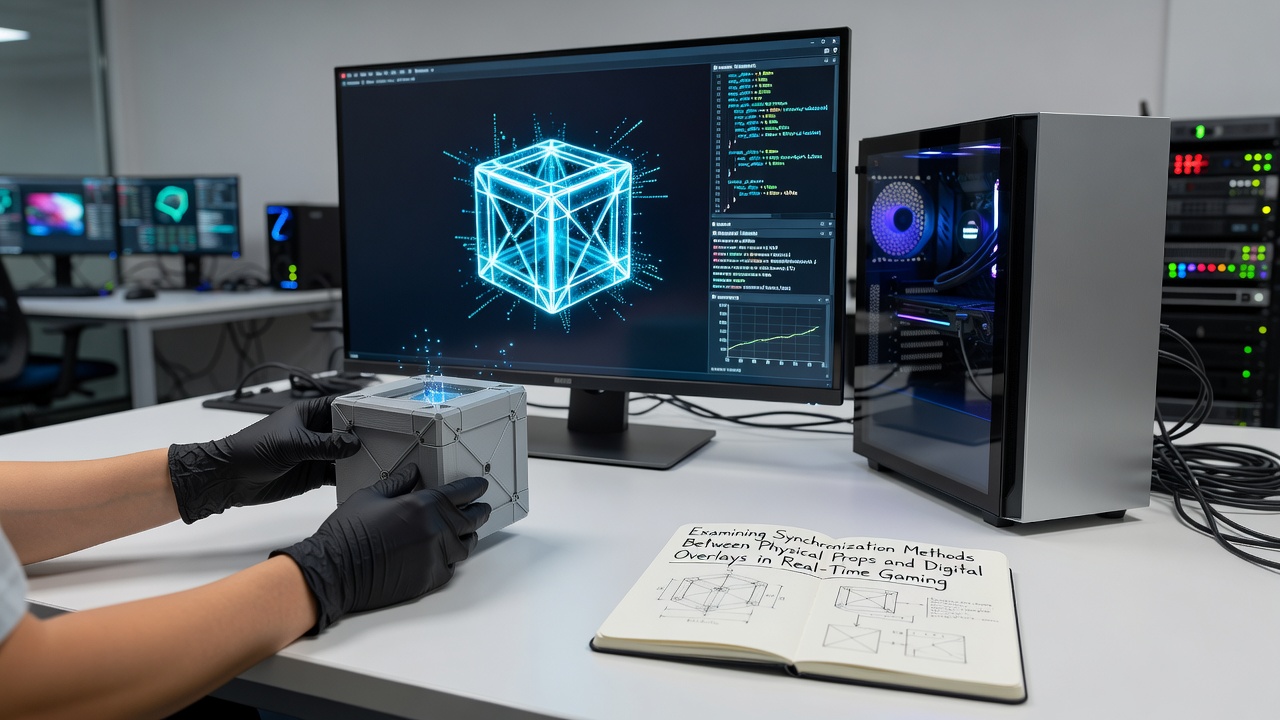
Engineers combine these vision models with predictive filtering to compensate for brief occlusions, and the resulting composite feed maintains continuity across cuts between multiple camera angles. According to findings from the National Association of Broadcasters technical conferences, hybrid approaches that blend hardware pulses with AI refinement deliver the most reliable performance under variable network conditions.
Latency Management and Redundancy Systems
Broadcast teams implement buffer stages that hold incoming prop data until corresponding video frames arrive, which prevents overlays from advancing ahead of physical motion. Redundant pathways route the same timing information through separate network segments, so a single packet loss does not disrupt the entire overlay sequence. Figures released by the Australian Communications and Media Authority highlight that facilities employing dual-path synchronization experienced fewer than 0.2 percent frame mismatches across 500-hour test periods in controlled environments.
Integration with Existing Broadcast Infrastructure
Production control rooms connect prop-tracking servers to vision mixers through SDI or NDI interfaces that carry both video and metadata in synchronized containers. Software plugins within graphics systems read these containers and apply transformations to overlay assets in real time, while operators monitor alignment through side-by-side reference displays. Those who manage large-scale events report that pre-show calibration routines, which include scripted prop movements across the full play area, identify residual offsets before live transmission begins.
Conclusion
Current synchronization practices in real-time gaming broadcasts combine established hardware timing with emerging vision algorithms to keep physical props and digital overlays matched throughout extended programming blocks. Continued refinement of these methods supports higher production values as broadcast resolutions and frame rates increase, and ongoing collaboration between equipment manufacturers and research groups sustains measurable improvements in registration accuracy across diverse studio configurations.