Grosvenor Casino Swansea Permanently Closes Following Prolonged Financial Losses
Written by Carlo Lange · Sep 6, 2026
Grosvenor Casino Swansea Permanently Closes Following Prolonged Financial Losses
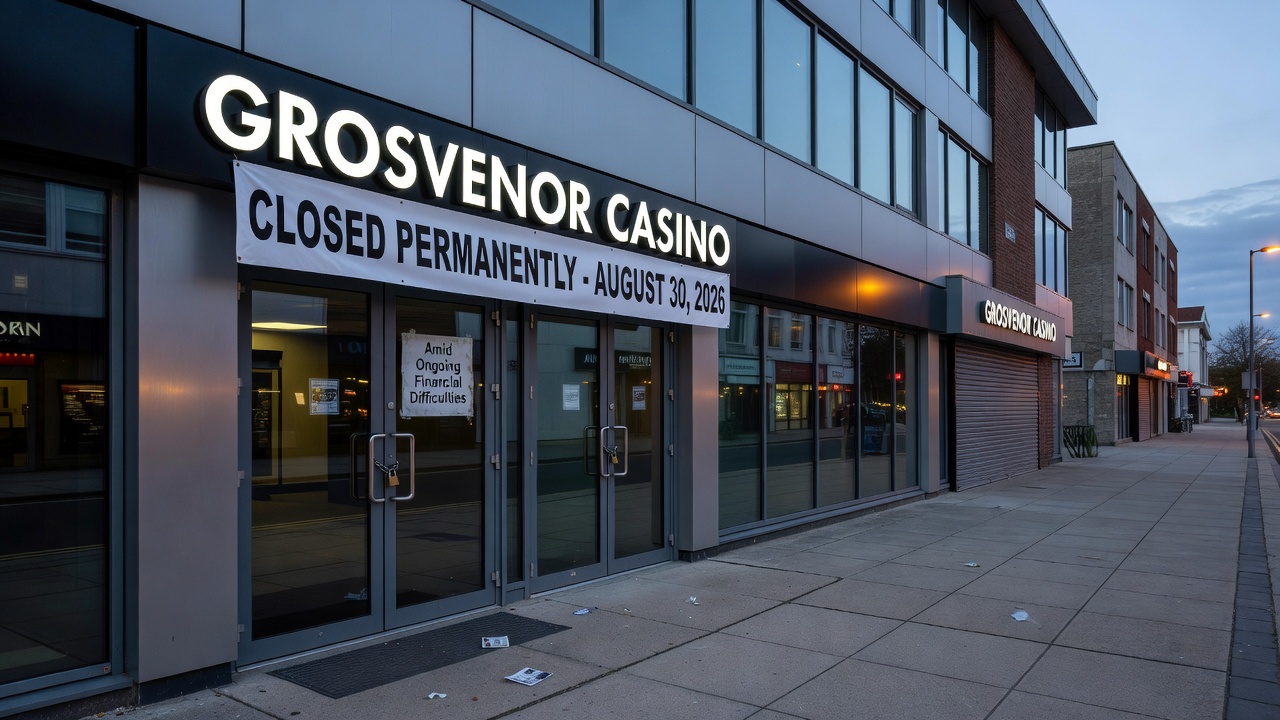
Observers note that the Grosvenor Casino in Swansea shut its doors for good on August 30 2026 after years of mounting financial pressure left the operator with no viable path forward and the closure came as the latest chapter in a decade-long decline that saw profitability drop by 107 percent while operating costs climbed 11 percent over just three years.
Data from the venue's most recent financial year ending June 28 shows an operating loss of £73,000 along with revenue that fell £635,000 short of budget and those figures prompted the operator to cite sustained and significant challenges as the direct reason for ending operations at the site.
Financial Pressures Build Over Time
Those who've tracked the venue's performance point out that the combination of rising expenses and falling income created a situation where continued operation became unsustainable yet the decision to close did not come without notice to staff who had worked at the location for varying lengths of time. The operator attributed the shutdown entirely to the venue's specific difficulties rather than broader market conditions and the numbers bear out that assessment through consistent underperformance across multiple reporting periods.
Revenue shortfalls accumulated while costs increased steadily and the resulting profitability erosion reached a point where the business recorded its steepest losses in recent memory during the year that ended in June 2026. People familiar with the accounts describe a pattern that began years earlier and accelerated in the final three years as expenses rose without corresponding growth in customer spending or other income streams.
Staff Dispute Redundancy Arrangements
Employees have disputed changes to their redundancy terms in the wake of the permanent closure and the disagreement centers on the timing and structure of payments that were adjusted after the August 30 shutdown date. Representatives for the workers argue that the revised terms differ from earlier commitments made during initial consultations while the operator maintains that the adjustments reflect the final financial reality of the venue's closure.
The dispute remains unresolved as of early September 2026 with both sides presenting their positions through formal channels and affected staff members continue to seek clarification on how the redundancy process will conclude given the permanent nature of the shutdown. Those involved note that similar situations at other locations have required extended negotiations before reaching final agreements on compensation and support packages.
Timeline and Immediate Aftermath
By September 2026 the physical premises stood vacant following the final day of trading on August 30 and the operator began the process of winding down remaining operations including the handling of customer accounts and the removal of gaming equipment. Local authorities received formal notification of the closure while planning officials started reviewing the future use of the building that had housed the casino for many years.
Community members who relied on the venue for employment or entertainment faced immediate adjustments and the loss of jobs added pressure to an area already experiencing shifts in its leisure and hospitality sectors. Data indicates that the venue had operated below target revenue levels for an extended period which ultimately made the permanent closure the only remaining option once all other avenues had been exhausted.
Industry Context and Regulatory Environment
Industry reports from organizations such as the CDC Gaming Reports detail the specific financial metrics that led to the decision while similar venues across the UK continue to face their own challenges related to cost management and revenue generation. The operator's statement emphasized that the Swansea location's results stood apart from other sites in its portfolio and that the closure decision applied only to this particular venue.
Regulatory bodies in other regions including the International Association of Gaming Regulators have published guidance on venue closures and staff transitions that operators often reference during such processes and those frameworks provide structure for how redundancy discussions should proceed even when disputes arise. The Swansea case follows the pattern seen in other permanent shutdowns where financial documentation plays a central role in justifying the operator's actions to employees and oversight bodies alike.
Conclusion
The permanent closure of Grosvenor Casino Swansea on August 30 2026 marks the end of operations at a venue that struggled with consistent financial shortfalls over an extended period and the ongoing dispute over redundancy terms highlights the complexities that accompany such transitions for everyone involved. Figures released by the operator paint a clear picture of why the decision was made while the timeline through September 2026 shows the immediate steps taken to wind down activities at the site. Those monitoring the situation will continue to watch how the redundancy disagreement resolves in the coming weeks as both the operator and affected employees work toward a final agreement on the terms that will conclude this chapter for the Swansea location.