How Regional Traditions Shape Hybrid Card Game Formats in Live Broadcast Studios
Written by Quinn Wolf · Aug 22, 2026
How Regional Traditions Shape Hybrid Card Game Formats in Live Broadcast Studios
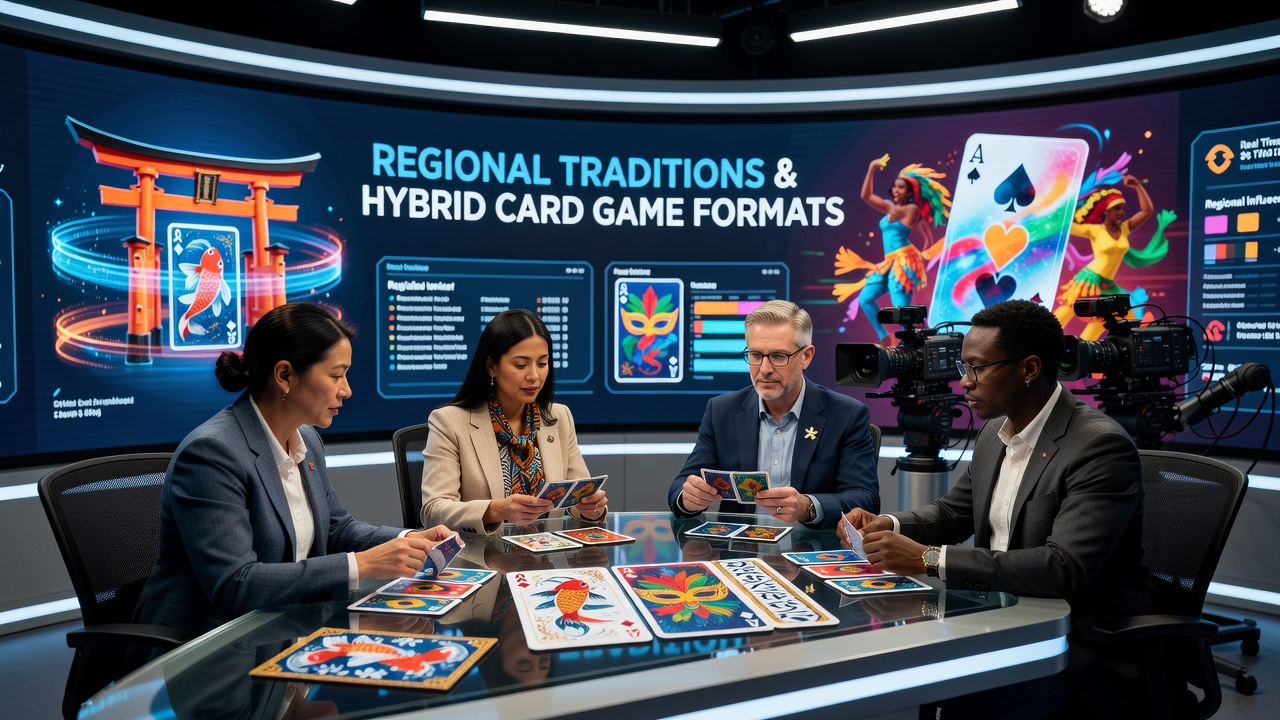
Regional customs continue to shape the structure and presentation of hybrid card games that appear in real-time broadcast environments, where producers blend local playing habits with standardized studio protocols to create formats that appeal to international audiences while respecting cultural origins.
Asian Playing Rituals Meet Modern Studio Production
Studios in Southeast Asia have integrated elements from traditional baccarat and pai gow into hybrid formats that run on live streams, incorporating specific hand gestures and betting pacing that reflect long-standing regional practices; data from industry reports shows these adaptations increased viewer retention during peak evening hours across multiple platforms in 2025. Producers adjust table layouts and dealer movements to accommodate rituals such as card tapping sequences common in parts of China and Macau, while cameras capture these actions without disrupting game flow.
Research from the Asia Gaming Research Institute indicates that when studios embed these customs into hybrid rulesets, participation rates among viewers from the same cultural backgrounds rise noticeably, and similar patterns appear in August 2026 schedules where new seasonal variants are scheduled to launch.
European Card Customs Influence Tournament Structures
Broadcast facilities in central Europe have drawn on historical preferences for structured bidding and community card mechanics found in games like skat and belote, merging them with faster-paced international formats to produce hybrids that maintain regional pacing while fitting broadcast time slots. Observers note that these combinations often feature visible scoring overlays that echo traditional scorekeeping methods, helping audiences follow play without requiring prior knowledge of the source games.
North American and Latin American Blends
Facilities operating in the Americas frequently combine elements from Mexican monte and Caribbean stud poker with standard Texas hold'em frameworks, resulting in hybrid variants that highlight regional betting rounds and community decision points. According to figures released by the Nevada Gaming Control Board, such adaptations appear in over 30 percent of new live-streamed card products introduced between 2024 and 2026, reflecting demand for culturally resonant content.
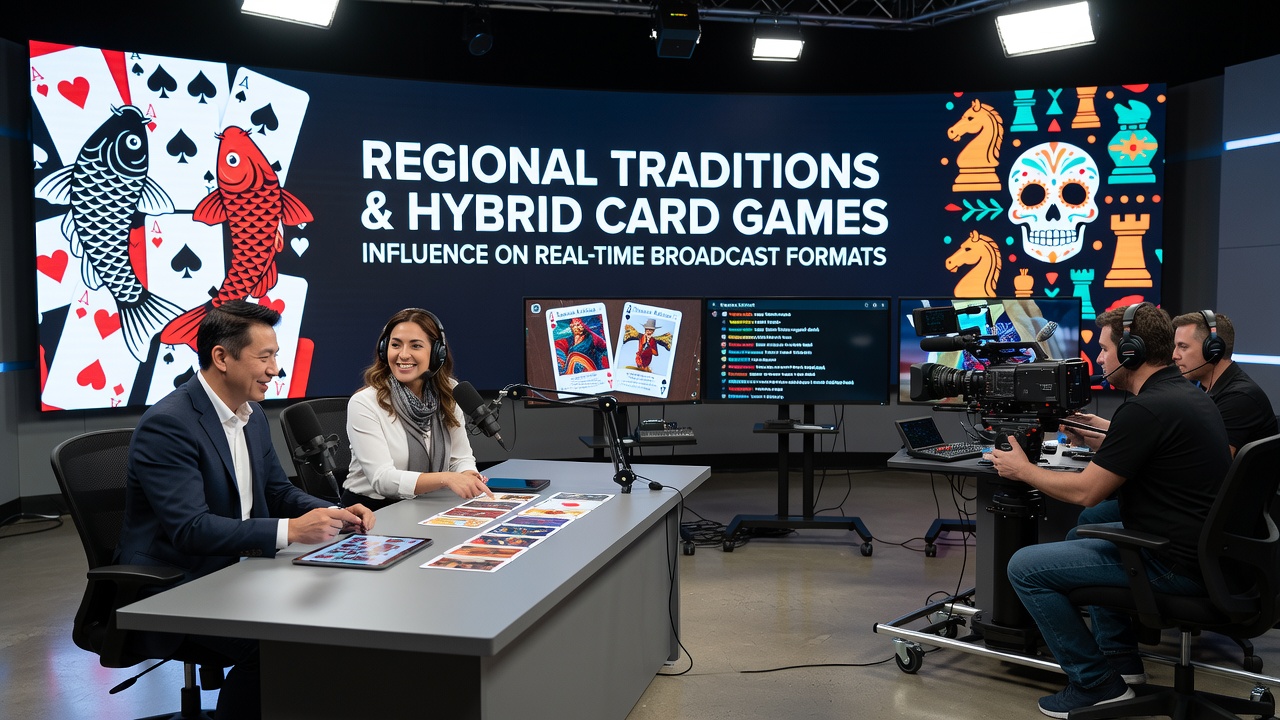
Canadian regulators through the Alcohol and Gaming Commission of Ontario have documented parallel developments where Indigenous card traditions influence studio rule sets, particularly in community-driven decision phases that slow gameplay to match longstanding social expectations.
Technical Adjustments in Real-Time Environments
Technical teams adjust lighting, camera angles, and overlay graphics to preserve the visual markers of regional traditions without interfering with the clarity required for global audiences; for example, color schemes and table felt patterns often echo patterns found in local card decks from the source culture. Production schedules in August 2026 already list several new hybrid formats that incorporate these visual cues alongside updated software interfaces designed to handle variable game speeds.
Industry organizations such as the European Gaming and Betting Association have tracked how these technical choices affect compliance across jurisdictions, showing that studios maintaining cultural fidelity while meeting broadcast standards experience fewer regulatory adjustments during cross-border distribution.
Conclusion
Regional traditions continue to supply the core mechanics and presentation styles that define hybrid card game formats in real-time broadcast studios, with ongoing developments through 2026 demonstrating how these influences integrate with production requirements to sustain both cultural continuity and technical precision across different markets.