Inside Live Casino Operations: Protocols for Dealer Preparation in Baccarat and Crazy Time Broadcasts
Written by Katja Günther · Oct 4, 2026
Inside Live Casino Operations: Protocols for Dealer Preparation in Baccarat and Crazy Time Broadcasts
Core Elements of Dealer Instruction Programs
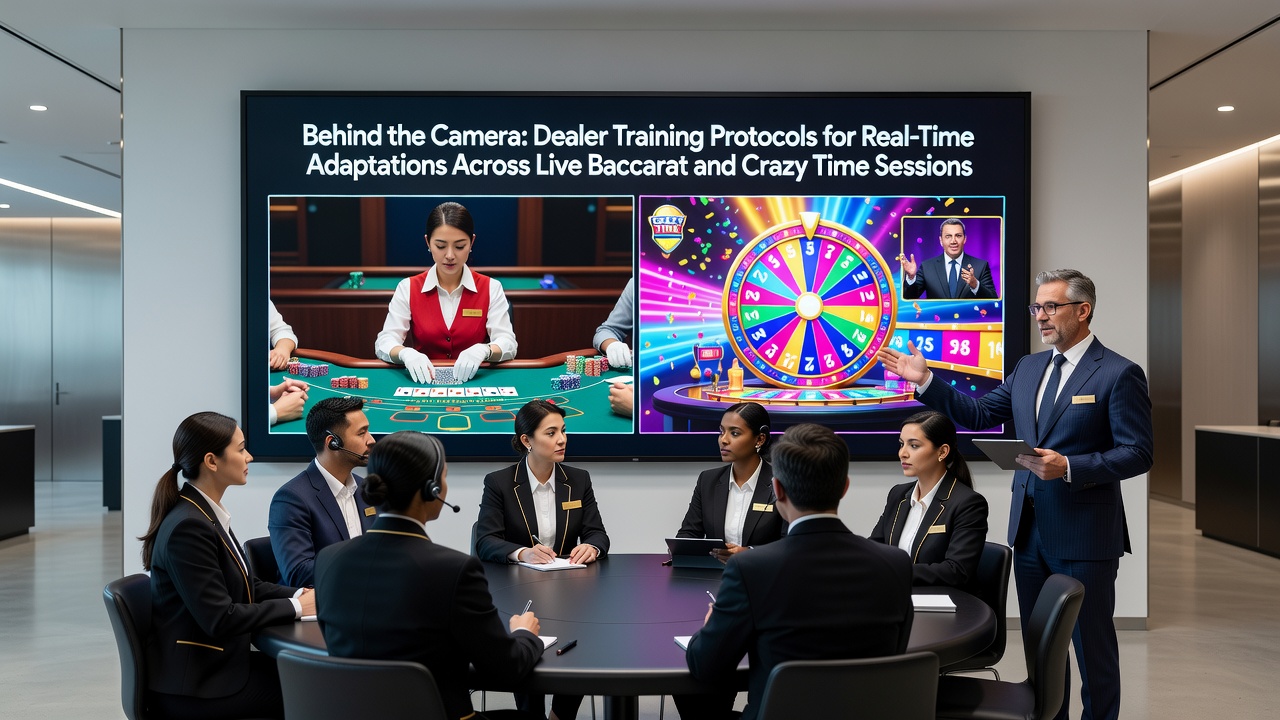
Training for live casino dealers focuses on building skills that allow immediate adjustments during ongoing sessions of baccarat and Crazy Time, where physical cards or wheel segments interact with digital overlays in real time. Programs combine classroom modules on game rules with practical drills that simulate unexpected player requests or technical interruptions, and these sessions often run for several weeks before new staff handle broadcast tables. Instructors emphasize recognition of betting patterns across multiple camera angles while maintaining consistent pacing that matches studio production schedules.
Real-Time Adaptation Techniques in Baccarat Sessions
Dealers learn to monitor side bets and commission calculations without breaking the flow of play, which requires practice in verbal announcements that clarify outcomes for remote audiences watching from different time zones. When a player places an unusual wager or requests a card burn adjustment, staff apply memorized protocols that keep the round moving forward, and this approach relies on repeated role-play exercises that incorporate audio feedback from directors. Research indicates that facilities using scenario-based repetition see measurable reductions in procedural errors during peak hours, while coordination wth floor supervisors ensures any rule clarification reaches the dealer through discreet earpieces.
Data from regulatory reviews shows that baccarat tables demand precise timing because each hand involves multiple decision points, and dealers practice shifting between English and other languages when addressing international players without losing eye contact with the camera. Observers note that these adaptations become automatic after trainers introduce variable delays in card delivery or sudden changes in lighting conditions that mimic live broadcast glitches.
Handling Dynamic Elements in Crazy Time Segments
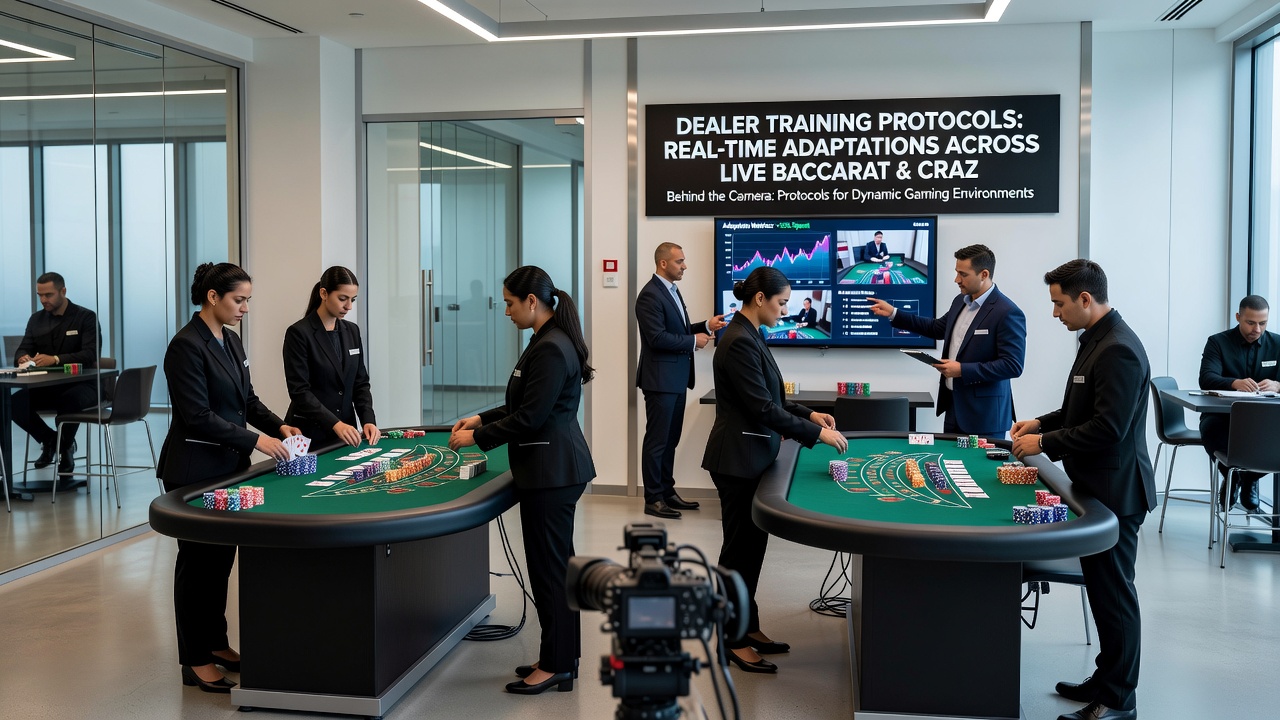
Crazy Time training covers the wheel spin mechanics alongside bonus round activations, where dealers must respond to random multipliers or segment selections by adjusting their commentary and gestures to match the digital display updates. Staff rehearse sequences that integrate physical pointer movements with overlaid graphics, and they practice maintaining energy levels across extended bonus sequences that can stretch several minutes beyond standard spins. According to records maintained by the Nevada Gaming Control Board, consistent rehearsal of these transitions correlates with smoother viewer experiences during high-traffic periods.
Trainers introduce variables such as delayed wheel resets or player chat interruptions that require quick verbal redirects, while still ensuring the next spin begins on schedule. Those who have studied operational logs find that dealers who master these cues handle simultaneous bets from thousands of remote participants with greater accuracy, and the process includes cross-training on audio cue recognition so that production team signals integrate seamlessly with table actions.
Integration of Technology and Human Response Drills
Modern protocols blend software simulations with on-set practice so dealers experience both the digital interface and the physical table environment in one continuous exercise. Sessions often feature split-screen monitors that display what viewers see alongside the actual table state, allowing immediate correction of any mismatch between spoken calls and on-screen results. Industry reports from the University of Nevada, Las Vegas highlight how such integrated drills improve response times when unexpected events occur, such as a prop malfunction during a Crazy Time bonus or an ambiguous card placement in baccarat.
Weekly assessments track progress through metrics like round completion speed and accuracy of outcome announcements, and feedback loops incorporate input from both technical directors and compliance officers. This dual oversight ensures that real-time adaptations stay within regulatory boundaries while meeting broadcast quality standards across different regional markets.
Conclusion
Dealer preparation for live baccarat and Crazy Time continues to evolve through structured programs that prioritize adaptability, technical coordination, and regulatory compliance. Facilities that maintain rigorous training schedules demonstrate consistent performance across extended broadcast hours, supported by ongoing evaluation methods that incorporate both human observation and data analysis. These approaches reflect broader industry efforts to align physical operations with digital delivery requirements in real-time gaming environments.