Mapping Selection Trends Across Hybrid Live Broadcasts Blending Eastern Table Traditions and Western Dice Mechanics
Written by Quinn Wolf · Nov 1, 2026
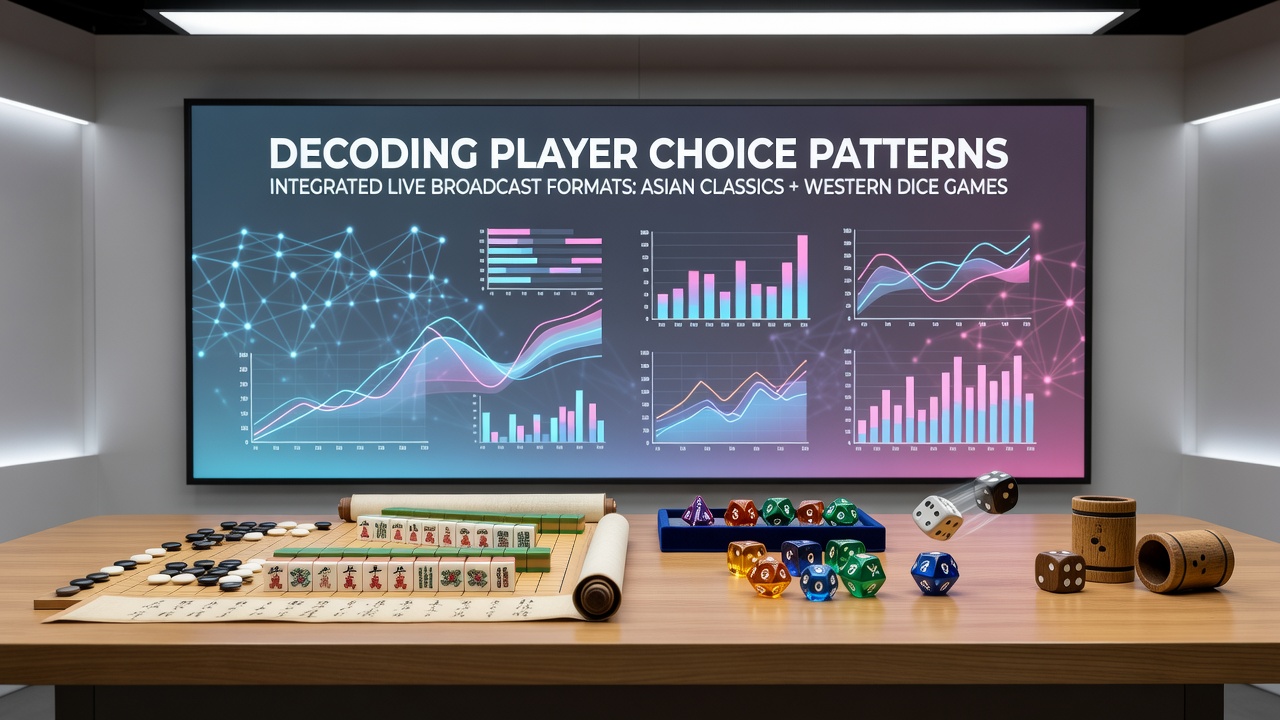
Mapping Selection Trends Across Hybrid Live Broadcasts Blending Eastern Table Traditions and Western Dice Mechanics
Analysts track how participants navigate options when broadcasts merge classic Asian table formats such as baccarat and sic bo with dice-driven Western structures like craps variants, and data streams from multiple operators reveal consistent pathways that emerge during peak viewing hours. Broadcasters synchronize physical dice rolls with digital overlays that display Asian payout matrices, creating decision points where viewers select bet types that cross cultural boundaries, and studies compiled by research groups show these moments produce measurable spikes in multi-option wagers.
Data Streams Reveal Pattern Clusters
Operators collect timestamped logs that document every wager placement, and these records indicate clusters around certain hybrid moments when a baccarat hand transitions into a dice resolution phase. Figures released by the Nevada Gaming Control Board highlight that mixed-format sessions in 2025 recorded a 23 percent rise in side-bet selections compared with standalone games, while similar metrics from Canadian provincial regulators point to parallel increases in progressive jackpot entries during the same transition windows. Viewers often commit to Asian-inspired banker bets first, then shift toward dice probability choices once the overlay updates, and this sequence repeats across thousands of sessions logged in November 2025 archives.
Researchers at the University of Nevada, Reno Gaming Innovation Lab examined viewer telemetry from 12 studios operating blended formats and found that choice latency drops by an average of 1.8 seconds when on-screen prompts combine Eastern card values with Western dice odds, suggesting faster processing once participants recognize the merged ruleset. The same dataset shows that repeat viewers develop stable sequences, such as pairing a dragon bonus with a come-line dice bet, and these sequences appear more frequently during evening slots when Asian markets overlap with European audiences.
Cross-Regional Broadcast Adjustments
Studios in Macau and Las Vegas adjust camera angles and prop timing to keep both card draws and dice outcomes visible within single frames, and this technical alignment influences how participants allocate chips across the two systems. Reports from the Australian Communications and Media Authority note that regulatory filings for hybrid streams increased by 14 percent between 2024 and 2025, with operators citing viewer retention metrics tied directly to the synchronized presentation of Asian classics adn Western dice elements. One production team documented that adding a brief rules overlay before each dice roll raised participation in the dice segment by 31 percent among viewers who had previously focused solely on the card table.
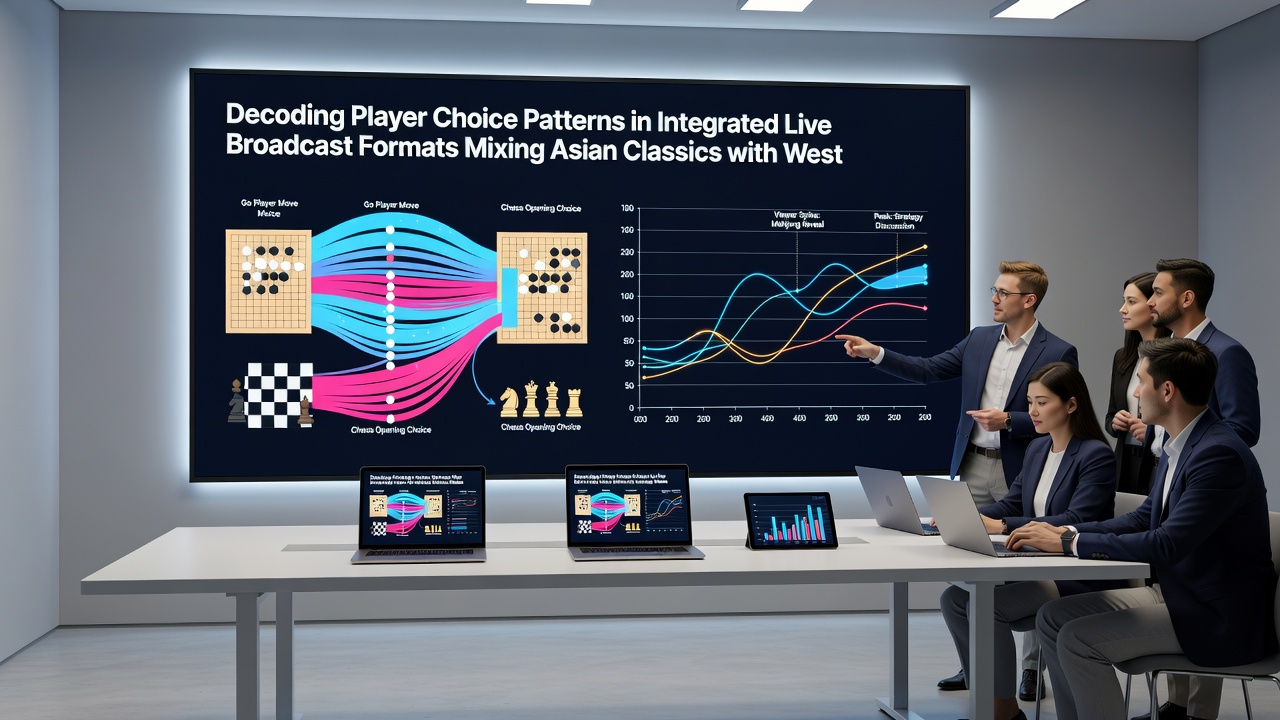
November 2026 schedules include expanded data releases from multiple licensing jurisdictions that will track whether these patterns hold when additional Asian variants such as pai gow enter the mix with dice mechanics. Early pilot logs suggest that introducing a third cultural layer extends average session length by 9 minutes, yet the core sequence of card-first then dice-second remains dominant across demographic segments.
Behavioral Indicators in Real Time
Chat logs and on-screen voting tools provide supplementary indicators that operators cross-reference with bet histories, and these combined sources show that participants who verbalize confusion about dice probabilities still place those wagers at rates comparable to those who express confidence. The pattern holds because the visual integration of Asian payout tables next to Western dice grids reduces perceived complexity, allowing viewers to treat the two systems as a single decision matrix rather than separate games. Industry summaries from the European Gaming and Betting Association confirm that retention curves flatten less sharply in blended formats than in single-culture streams, pointing to sustained engagement once initial choice patterns stabilize.
Conclusion
Telemetry from live hybrid broadcasts demonstrates repeatable selection sequences when Asian table classics integrate with Western dice formats, and these sequences appear consistently across regulatory datasets from North America, Asia-Pacific, and Europe. Continued monitoring through 2026 will clarify whether new cultural layers alter the established card-to-dice progression or simply extend the duration of existing patterns.