Tracing Decision Pathways in Hybrid Table Game Broadcasts
Written by Carlo Lange · Oct 18, 2026
Tracing Decision Pathways in Hybrid Table Game Broadcasts
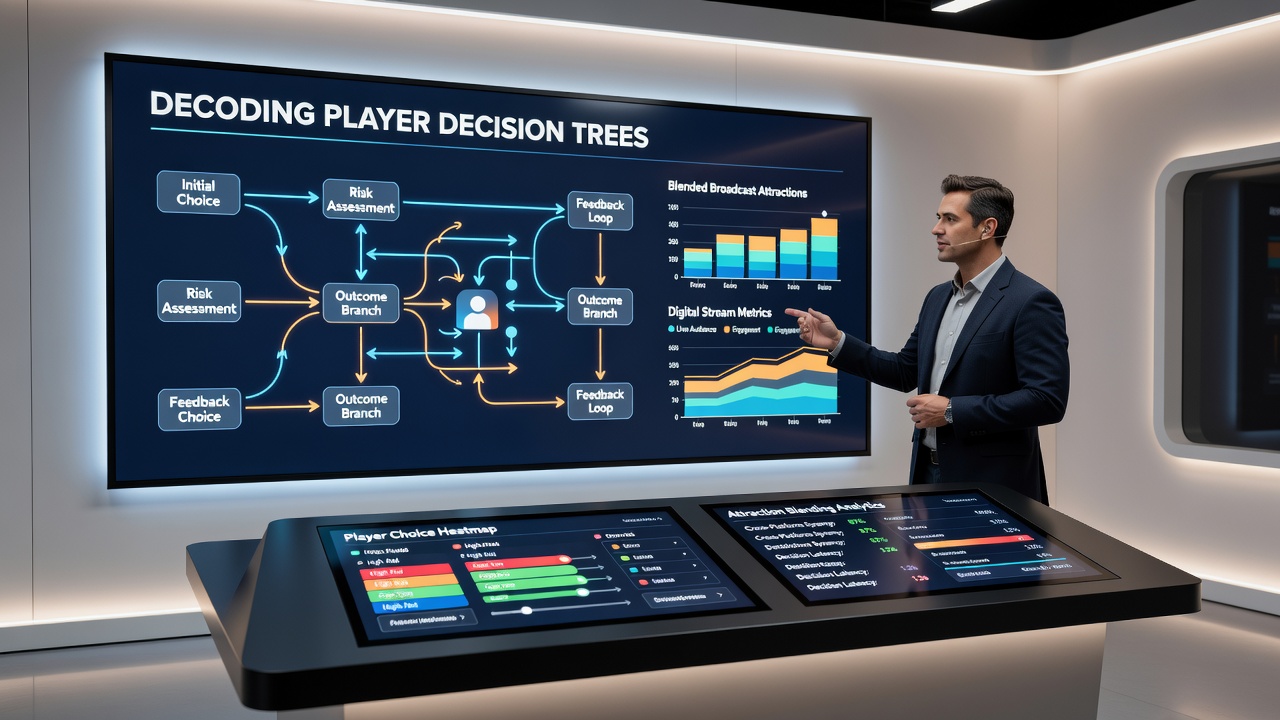
Blended broadcast table attractions combine physical gaming equipment with real-time digital overlays that appear during live streams, and analysts have examined how these setups shape the sequences players follow when selecting bets or actions. Researchers track these sequences as decision trees, mapping each choice point from initial stake selection through subsequent adjustments based on visible outcomes and interface prompts. Data from multiple operators shows that such trees often branch at moments when digital elements update, such as dynamic odds displays or virtual multipliers that appear alongside physical cards or wheels.
Core Components of Decision Mapping
Analysts break player choices into nodes that represent distinct stages: entry into a table stream, selection of base wager, response to broadcast cues, and exit or continuation decisions. Studies from academic institutions indicate that digital overlays influence roughly 40 percent of mid-round adjustments in hybrid formats, according to reports compiled by research groups at the University of Nevada. These overlays include color-coded probability indicators and historical outcome streaks that update every few seconds during play. Observers note that physical elements, such as the actual spin of a wheel or deal of cards, anchor the first node while digital additions create secondary branches that players follow when visible statistics shift.
Operators collect telemetry from both studio cameras and player accounts to reconstruct full trees across thousands of sessions. Figures released by the Nevada Gaming Control Board in early 2026 documented an average of 7.2 decision nodes per completed round in blended blackjack streams, compared with 4.8 nodes in purely physical environments. The increase stems from added prompts that appear on screen and encourage re-evaluation of initial selections before the round resolves.
Regional Variations in Tree Structures
Broadcast studios in different jurisdictions produce distinct patterns because local regulations dictate which digital features may appear alongside physical tables. In European markets, for instance, operators integrate animated payout tables that update after each physical card reveal, and data from the Malta Gaming Authority shows these animations correlate with a 12 percent rise in mid-round stake increases. Australian regulators, through the Northern Territory Racing Commission, report similar patterns in roulette streams where virtual neighbor-bet suggestions appear next to the physical wheel, leading players to explore branches they might otherwise skip. Canadian provincial data from the Alcohol and Gaming Commission of Ontario highlights shorter trees in formats that limit overlay frequency, suggesting regulatory caps on digital interruptions can compress the number of choice points players encounter.
Data Collection Methods and October 2026 Updates
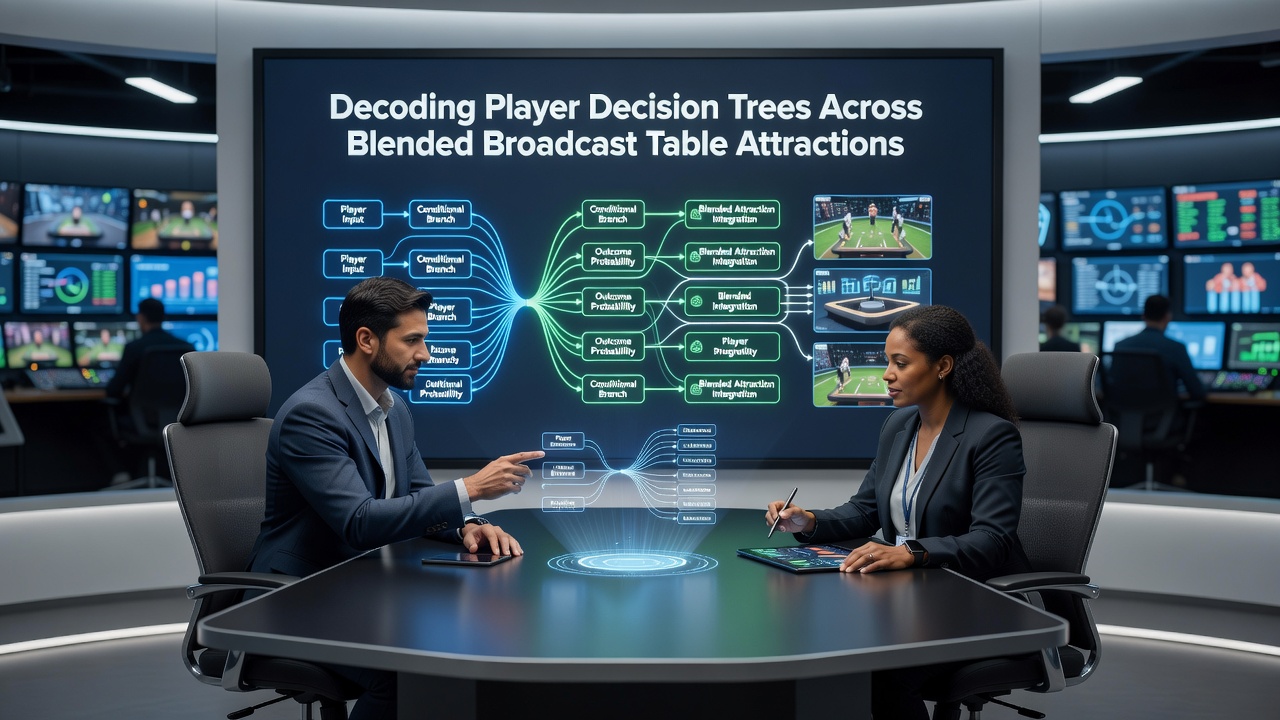
Telemetry systems log every visible overlay change alongside corresponding account actions, creating time-stamped sequences that analysts later convert into tree diagrams. Machine learning models trained on these sequences predict likely next branches with accuracy rates above 65 percent when trained on at least 50,000 rounds, according to a 2025 industry report from the International Association of Gaming Advisors. Updates scheduled for October 2026 will expand data fields to include eye-tracking metrics from volunteer participants in controlled studio tests, allowing finer resolution of which overlay elements trigger branch points. Those updates also incorporate cross-platform identifiers so analysts can follow the same player across multiple broadcast tables without duplicating records.
One documented case involved a European studio that introduced a temporary overlay showing the last 20 physical outcomes during a roulette broadcast. The change produced a measurable lengthening of decision trees, with players spending an average 14 additional seconds at each node before confirming bets. Regulators in that jurisdiction required the operator to archive the overlay activation timestamps so later reviews could isolate the effect from other variables.
Integration of Physical and Digital Elements
Physical props continue to serve as the root node for most trees because players must first commit to a table before any digital layer activates. Once engaged, however, the digital components frequently generate parallel branches that compete with teh original physical path. Experts at the University of Macau documented this competition in a 2024 paper that examined 120,000 baccarat rounds and found digital side-bet suggestions diverted 18 percent of players from their initial physical bet selections. The same study noted that trees became more linear when digital suggestions were delayed until after the physical outcome appeared, reducing mid-round adjustments by nearly one-third.
Studios maintain synchronization between physical cameras and overlay engines through timestamp protocols that align each frame with corresponding data packets. Any drift in this alignment can collapse multiple nodes into a single perceived choice, and operators test synchronization daily to prevent such compression. The resulting datasets allow researchers to isolate whether a branch stems from the physical result or from the timing of a digital prompt.
Conclusion
Decision trees in blended broadcast table attractions therefore reflect the interplay between unchanging physical mechanics and variable digital prompts that update in real time. Continued collection of telemetry across jurisdictions provides the raw sequences needed to refine these maps, while scheduled enhancements in October 2026 will add new layers of behavioral detail. The resulting models help operators and regulators understand how each added digital element alters the structure of player choices without requiring subjective interpretation of intent.